
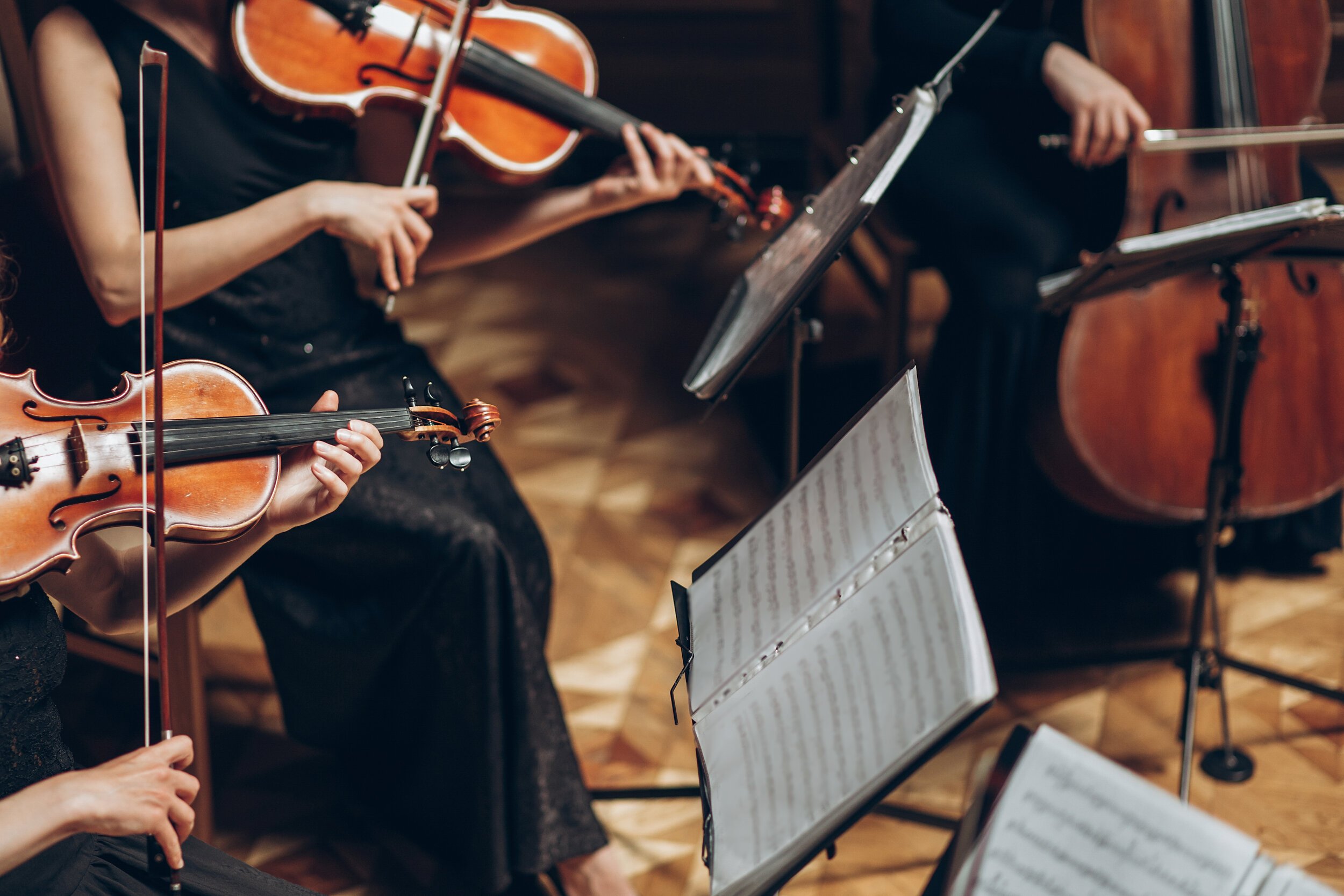
The Role of the Arts in Developing the “Whole Child”
The Role of the Arts in Developing the “Whole Child”
As a parent, you are probably thinking about far more than report cards and test scores. You want your child to feel confident speaking up in class, comfortable expressing emotions, capable of building friendships, and excited about who they are becoming as they grow.
That bigger picture is often referred to as supporting the “whole child.”
Whole-child development (or education) focuses on helping children grow emotionally, socially, physically, creatively, and academically rather than measuring success through metrics such as grades alone. While traditional education absolutely has its place in our world, many parents also recognize that children need spaces where they can express themselves and develop life skills that extend beyond the classroom.
This brings us to our topic of the day: the arts. Music, dance, theater, and creative movement give children beautiful opportunities to communicate, connect, create, and grow in ways that feel natural and engaging. These experiences can help children develop confidence, emotional awareness, resilience, and a stronger sense of self.
Far from being “extra” activities, the arts can become an important part of helping your child feel more balanced, supported, and well-rounded both in and outside of school.
What Does “Whole Child Development” Really Mean?
Whole child development refers to supporting every aspect of a child’s growth, including:
Emotional development
Social skills
Cognitive and academic growth
Physical coordination and health
Creativity and self-expression
Many schools today face increasing pressure to prioritize standardized testing and academic performance. While academics matter, children also need opportunities to develop communication skills, emotional awareness, confidence, and creativity.
Music, dance, and other creative disciplines encourage children to engage both mentally and emotionally. They provide opportunities to move, collaborate, think creatively, and express ideas in ways that traditional classroom settings may not always allow.
How the Arts Support Emotional Growth
Don’t just take our word for it. Plenty of evidence supports these claims!
For example, this article from the Royal Shakespeare Company covers multiple sources of research that show strong benefits tied to an arts-rich education, both inside and outside the classroom.
Some of the benefits of music and dance for kids include:
Building Self-Expression and Emotional Awareness
Children do not always have the words to explain what they are feeling. The arts give them another way to communicate.
Through music, dance, and movement, children can explore emotions, process experiences, and express themselves in healthy, constructive ways. Whether a child is learning a new piece on the piano or performing choreography in a dance class, creative expression encourages emotional awareness and confidence.
Developing Confidence and Self-Esteem
Learning a new skill takes patience and practice. Over time, children begin to see the connection between effort and improvement.
Performing in front of others, mastering new techniques, or simply participating in class can help children build self-confidence.
In fact, according to Scholastic, research indicates that children who sing, dance, act, or play are up to four times as likely to be recognized for their academic achievements compared to their non-performing friends! They also tend to have enhanced cognitive, motor, and social development.
Creating a Healthy Outlet for Stress
Children today face more pressure than many people realize. Busy schedules, academic expectations, and constant digital stimulation can contribute to stress and anxiety.
Over the last couple of years, the CDC has reported that anxiety problems, behavior disorders, and depression are the most commonly diagnosed mental disorders in U.S. children. Up to 11% of children (ages 3-17) have been diagnosed with anxiety.
Creative activities provide an outlet that allows children to reset, move their bodies, and focus their attention in positive ways. This can support emotional well-being and healthy child development while reducing feelings of depression and anxiety.
The Social Benefits of Music and Dance
Children are constantly learning how to interact with the world around them, and the arts give them opportunities to practice those skills. These experiences often help kids grow socially while also giving them a stronger sense of confidence and connection.
Learning Teamwork and Collaboration
Many arts programs involve group participation, whether through ensemble music, dance performances, or collaborative activities.
Children learn how to work together, listen to others, follow directions, and contribute to a shared goal. These experiences help develop cooperation and accountability in ways that extend far beyond the classroom.
Improving Communication Skills
The arts encourage both verbal and nonverbal communication.
Children learn how to interpret cues, express ideas, and communicate emotions through movement, rhythm, and performance. These experiences can strengthen social confidence and help children become more comfortable interacting with peers and adults.
Building Friendships and a Sense of Belonging
Arts programs often create strong community connections. Shared rehearsals, performances, and classes can help children form friendships and feel part of something larger than themselves.
For many students, arts education becomes a space where they feel encouraged, supported, and understood.
Cognitive and Academic Advantages of Arts Education
Arts education supports more than creativity alone. Research continues to show strong connections between arts participation and cognitive development.
Strengthening Memory and Focus
Learning music, choreography, or performance sequences requires concentration, repetition, and recall. These activities strengthen memory skills while encouraging children to stay mentally engaged.
Supporting Language and Math Skills
Music naturally introduces patterns, sequencing, timing, and rhythm, all of which support foundational math and language development.
Studies from the National Endowment for the Arts have found that students involved in the arts often show improved academic outcomes and higher levels of engagement in school.
Encouraging Creativity and Problem-Solving
Creative disciplines encourage children to think differently, experiment, and adapt. Instead of searching for one “correct” answer, students learn how to approach challenges creatively and develop original ideas.
Those problem-solving skills can benefit children academically and later in life as they navigate new situations and opportunities.
Physical Development Through Movement-Based Arts
Dance and movement-based arts also contribute to physical development in important ways.
Coordination, Balance, and Motor Skills
Dance classes help children strengthen coordination, flexibility, balance, and fine motor control. These physical skills continue developing throughout childhood and can support confidence in sports and everyday activities.
Body Awareness and Posture
Movement training encourages children to become more aware of posture, alignment, and body control. This awareness can improve physical confidence while promoting healthier movement habits.
Healthy Activity in a Fun, Engaging Format
Many parents are looking for activities that help reduce screen time while keeping children active and engaged. Dance, movement, and music classes give children a chance to move their bodies, interact face-to-face with others, and stay mentally present in a way that feels fun rather than forced.
Instead of passively sitting behind a screen, children are actively participating, learning new skills, and building healthy habits that support both physical and emotional well-being.
Why the Arts Are Especially Important for Kids Today
Children today are growing up in a very different environment than previous generations.
Many families are facing challenges such as:
Increased screen time
Reduced opportunities for creative play
Academic pressure and packed schedules
Less face-to-face social interaction
The arts provide an important counterbalance.
Music and dance encourage children to slow down, interact in person, move their bodies, develop patience, and engage creatively rather than passively consuming content. These experiences support healthier emotional, social, and cognitive development while helping children stay connected to the world around them.
What to Look for in a Quality Arts Program
Not every arts program offers the same experience. Parents searching for enrichment opportunities may want to look for programs that emphasize growth, encouragement, and age-appropriate instruction.
A strong arts program often includes:
A supportive and welcoming environment
Instructors who encourage creativity and confidence
Age-appropriate classes and instruction styles
Opportunities for both learning and performance
A focus on personal growth rather than constant competition
The goal should be helping children enjoy the learning process while developing skills that support long-term confidence and development.
How OC Music & Dance Supports Whole Child Development
At OC Music & Dance in Irvine, CA, students have opportunities to grow through music, dance, and creative learning experiences designed to support development both inside and outside the classroom.
Programs for children include music instruction, dance education, early childhood programs, and performance opportunities that encourage creativity, discipline, collaboration, and confidence.
Our organization focuses on creating a welcoming and encouraging environment where students can explore their interests, develop new skills, and build connections with instructors and peers.
Rather than focusing only on performance outcomes, the emphasis remains on helping children grow as individuals while fostering a lifelong appreciation for the arts.
In Summary: The Arts Help Children Grow Far Beyond the Classroom
The arts are not simply extracurricular activities added onto childhood development. They play a significant role in helping children build creativity, emotional awareness, communication skills, and resilience.
Ultimately, music, dance, and creative expression help support the whole child.
For families looking to encourage well-rounded growth in a supportive environment, exploring arts education can be a powerful place to start. Learn more about programs available through OC Music & Dance in Irvine and how the arts can help children grow, both creatively and personally.
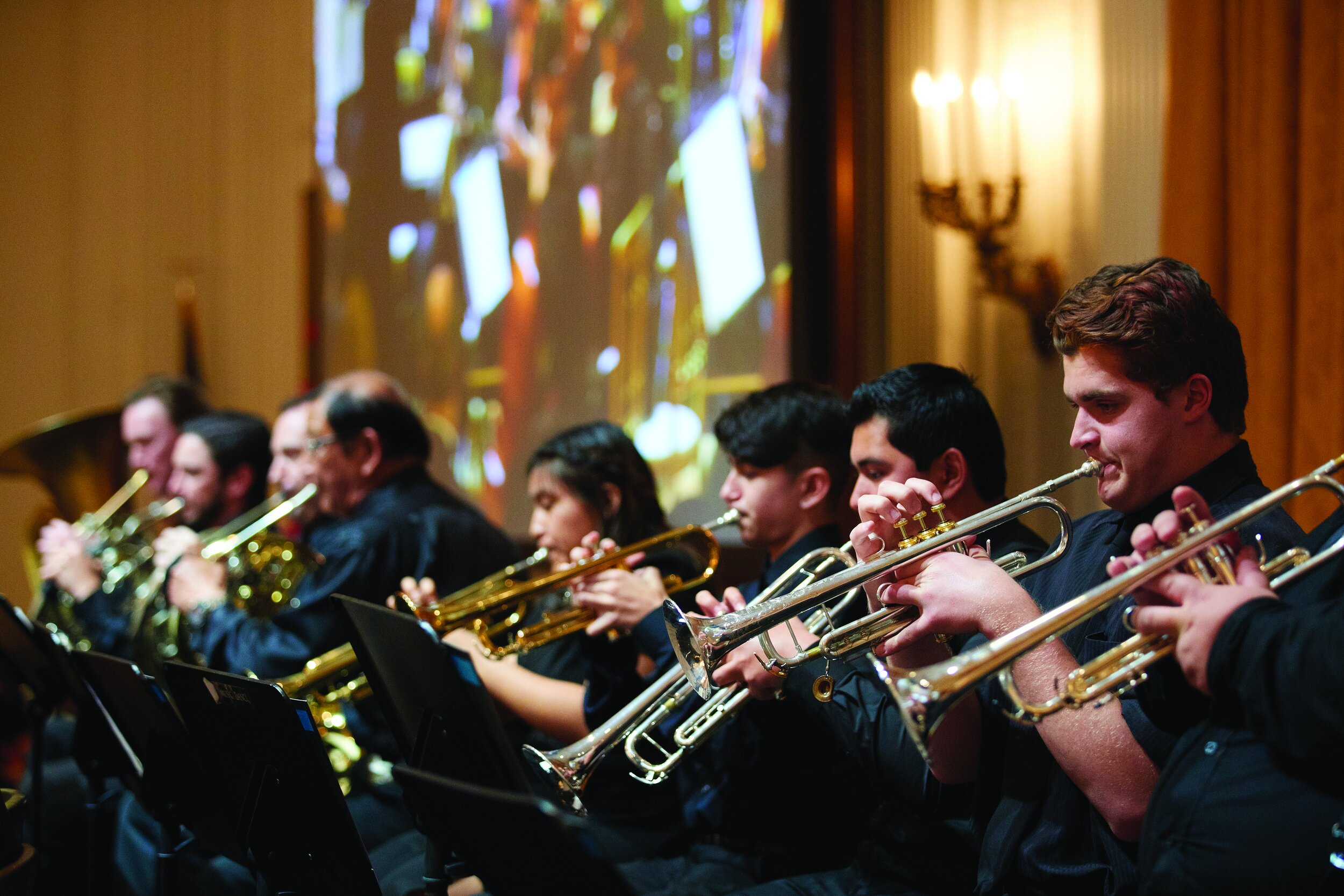
Lunar New Year Festival 2020

2025 Spring Cello Recitals
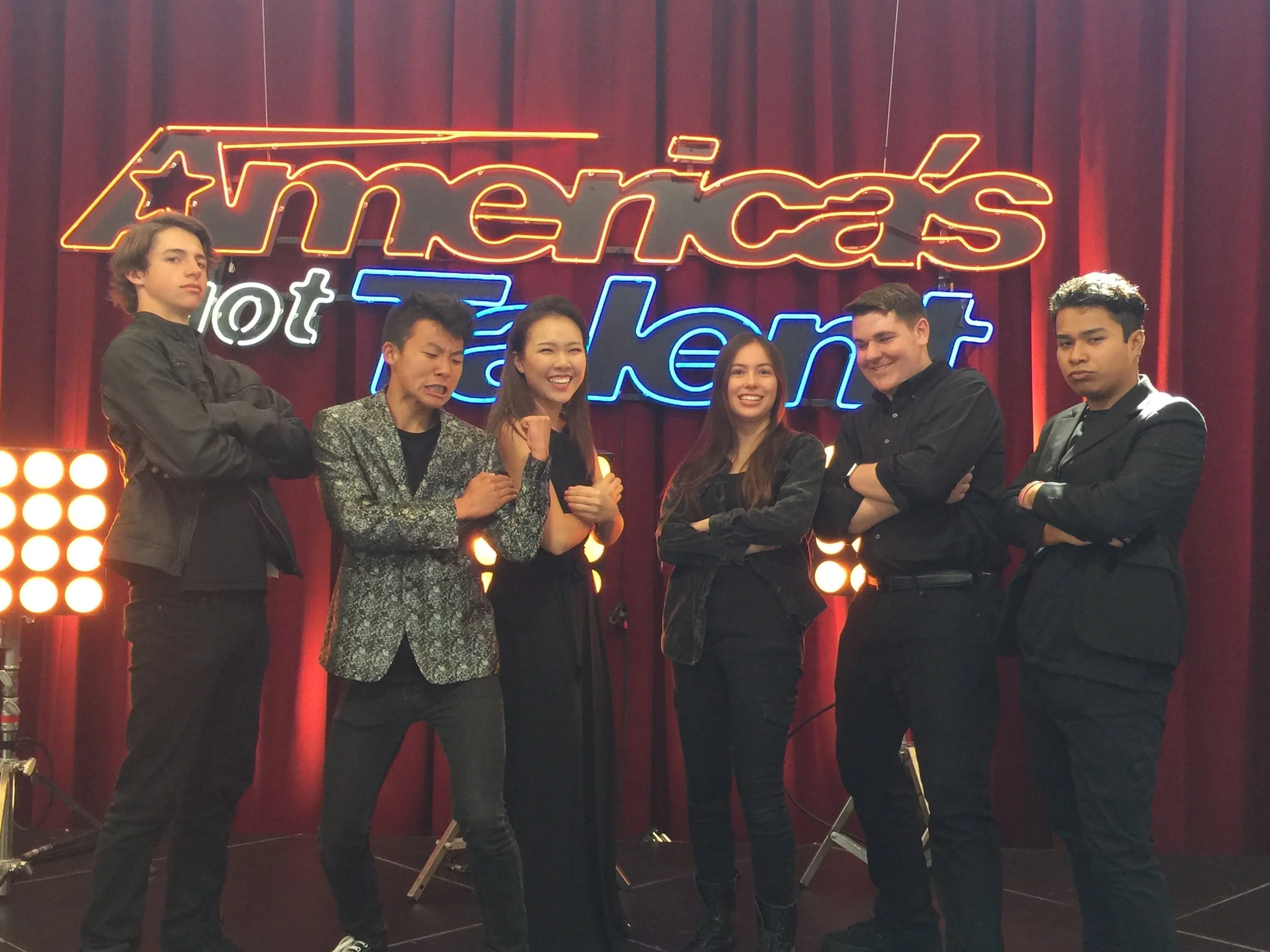
OCMD at America's got Talent
2025 Cello Workshop
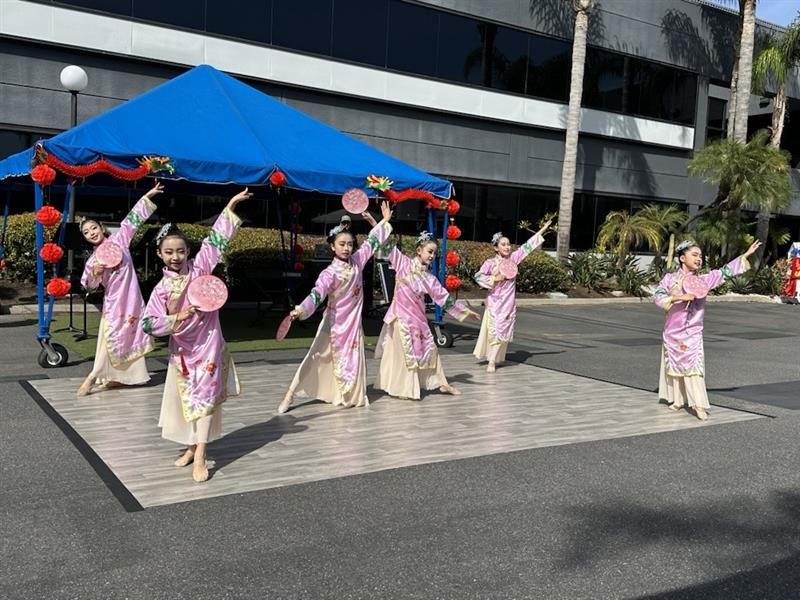
Lunar New Year Festival 2025
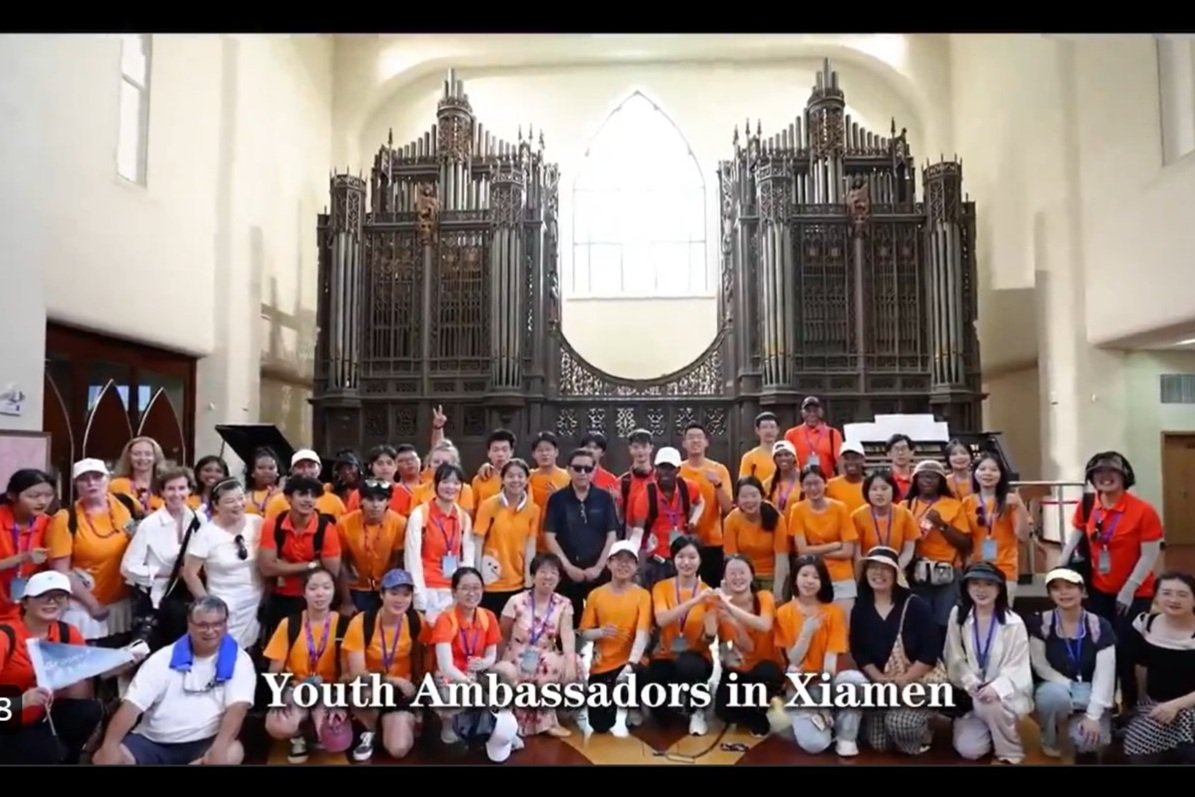
2024 Youth Ambassadors in Xiamen, China